 EN
EN
 Nederlands
 Français
Traditional Polish food is built on what grows and keeps through a long winter: pork, cabbage, potatoes, beetroot, rye and mushrooms, turned into dumplings, soups and slow stews. Warsaw is the easiest city in the country to eat your way through the whole repertoire, because the milk-bar tradition, the Old Town restaurants and a new generation of bistros all sit within a few tram stops of each other. The 25 dishes below cover the classics, with what each one is, how it is served and where in Warsaw to find a good version.
The eight dishes that introduce Polish cooking best are listed below.
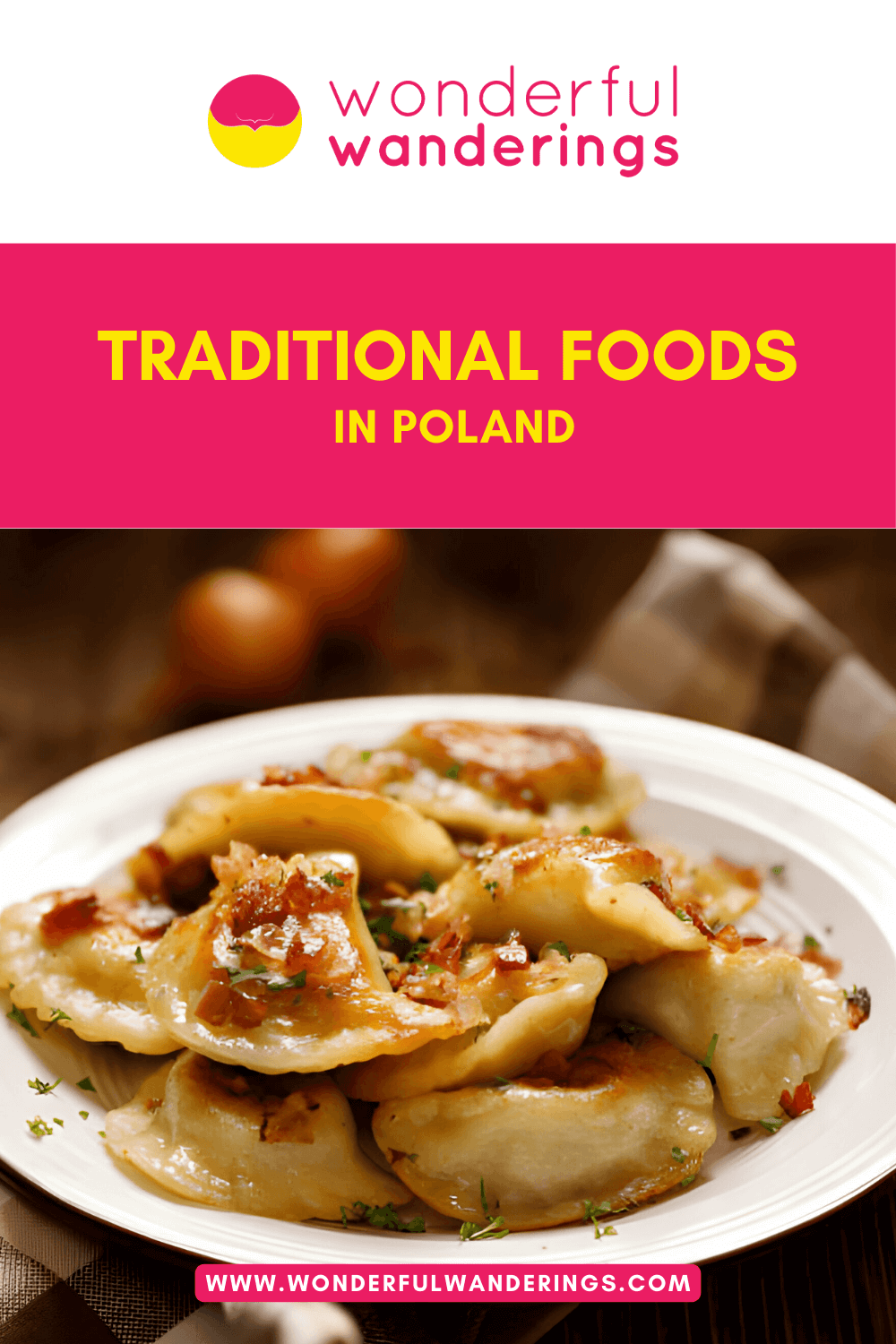
- Pierogi. Pierogi are half-moon dumplings filled with potato and curd cheese, cabbage and mushroom, meat or fruit, boiled and then usually pan-fried. They come with sour cream, melted butter or fried onions and pork scratchings on top.
- Kotlet schabowy. Kotlet schabowy is a pork loin cutlet beaten thin, breaded and fried, and it is Poland’s Sunday dinner. It arrives with potatoes and either sauerkraut or a shredded cabbage salad.
- Bigos. Bigos is hunter’s stew: sauerkraut and fresh cabbage cooked down for days with several meats, sausage, dried mushrooms and prunes. It tastes better on the second and third reheating, which is the point of it.
- Gołąbki. Gołąbki are cabbage leaves rolled around minced pork and rice, then baked and served under tomato sauce. The name means “little pigeons”.
- Żurek. Żurek is a sour soup made from fermented rye starter, with white sausage, bacon and half a boiled egg. In tourist restaurants it comes in a hollowed loaf of bread.
- Placki ziemniaczane. Placki ziemniaczane are potato pancakes from grated raw potato, fried crisp and eaten with sour cream or, in the mountains, under a goulash.
- Rosół. Rosół is a clear chicken and vegetable broth served with fine noodles and chopped parsley, and it is the traditional first course of a Polish Sunday lunch.
- Barszcz czerwony. Barszcz czerwony is a clear beetroot soup, sour and deep red, drunk from a mug or served with uszka, tiny mushroom dumplings whose name means “little ears”.
1. Pierogi
Pierogi are half-moon dumplings of thin, soft dough, boiled and then usually finished in a pan so the edges crisp. Pierogi are the dish most people mean when they say Polish food, and the filling changes everything: pierogi ruskie with potato and twaróg curd cheese, pierogi z kapustą i grzybami with cabbage and mushroom, meat, buckwheat, or fruit in summer.

Savory pierogi come topped with sour cream, melted butter, fried onions or skwarki, the crisp pork scratchings that turn a light dish into a heavy one. Sweet ones with blueberries or cherries get sour cream and sugar.
In Warsaw, Zapiecek is the reliable answer, a small chain with several branches around the Old Town including Świętojańska 13, open late and serving pierogi by the dozen. Gościniec Polskie Pierogi on Nowy Świat is the other easy one, and both cook to order, so allow twenty minutes.
2. Kotlet Schabowy
Kotlet schabowy is a pork loin cutlet, beaten thin, dipped in flour, egg and breadcrumb, and fried in lard or oil until the coating puffs. Kotlet schabowy is the Polish Sunday dinner and the standard against which every home cook is judged, and it is close enough to a Wiener schnitzel that the differences are the argument.

It comes with boiled or mashed potatoes and either warm braised sauerkraut or a raw white cabbage salad dressed with cream. Kotlet mielony, made from minced pork with onion, is its cheaper weekday cousin.
Restauracja Schabowy at Francuska 5 in Saska Kępa is exactly what the name says, a place built around this one dish. For the same thing in a grander room, U Kucharzy w Arsenale at Długa 52 cooks it in an open kitchen inside the old Arsenal building.
3. Bigos
Bigos is a stew of sauerkraut and fresh cabbage cooked down over days with pork, beef, smoked sausage, dried wild mushrooms and often prunes. Bigos is called hunter’s stew because game went into it, and it is the one Polish dish that genuinely improves each time it is reheated, which is why households make it in a cauldron and eat it for a week.

It is served warm with rye bread or mashed potatoes and a glass of something cold. Bigos litewski, the Lithuanian version, adds apple. Christmas versions lean sweeter and use more prunes.
In Warsaw it turns up on almost every traditional menu. Bazyliszek on the Old Town market square and Pod Gigantami at al. Ujazdowskie 24 both cook Polish classics in period rooms, and Browar Warszawski, the big brewery restaurant near Grzybowska, does the hearty version alongside its own beer.
4. Gołąbki
Gołąbki are blanched cabbage leaves wrapped around minced pork and rice or barley, packed tight into a dish and baked slowly. Gołąbki means “little pigeons”, after the shape, and the parcels are usually served two to a plate under a tomato sauce or a mushroom one.

Turkey stands in for pork in lighter versions, and gołąbki bez zawijania, “lazy gołąbki”, skips the wrapping and bakes everything as a casserole. Boiled potatoes or bread come alongside.
Gościniec Polskie Pierogi on Nowy Świat serves them among its Polish standards, and so does Kameralna on Kopernika 3, a restaurant that has been part of Warsaw’s post-war story since the 1940s.
5. Żurek
Żurek is a sour soup built on zakwas, a starter of rye flour and water left to ferment for several days until it turns sharp. Żurek gets its body from white sausage, bacon or smoked ribs, its aroma from marjoram and garlic, and half a hard-boiled egg on top.

It is the Easter soup above all, though it is on menus year-round. The bread bowl is a tourist-restaurant flourish rather than a tradition, and the soup is just as good in a bowl. Some regions add potato, and the Silesian version is smoother and milder.
Ukryte – Hidden Bar and Bistro at Szeroki Dunaj 13, tucked into the Old Town, cooks Polish dishes with a game leaning and is a better bet than the tourist-strip restaurants a street away. Bazyliszek and Kameralna both keep it on year-round.
6. Placki Ziemniaczane
Placki ziemniaczane are potato pancakes made from raw grated potato with egg, a little flour and onion, fried until the edges go dark and lacy. Placki ziemniaczane are eaten either sweet, with sour cream and sugar, or savory, with sour cream and dill.

The mountain version, placki po zbójnicku, buries them under a pork goulash and is a meal rather than a side. In Warsaw they turn up as a starter, a main and, at markets, as street food.
U Kucharzy w Arsenale fries them to order in its open kitchen, and Przegryź at Mokotowska 52, a bistro that has been running for well over a decade, does the modern version.
7. Rosół
Rosół is a clear golden broth simmered slowly from chicken, sometimes with beef or a piece of duck, plus carrot, parsley root, celeriac and leek. Rosół is the first course of the Polish Sunday lunch, poured over fine noodles and finished with chopped parsley, and Poles will tell you it also cures a cold.

Rosół królewski, the royal version, uses three meats. Rosół myśliwski uses game birds. The clarity is the mark of a good one: it should be almost transparent with beads of fat on the surface.
Kameralna on Kopernika 3 and Przegryź on Mokotowska both serve it as it is meant to be, and any Warsaw bar mleczny, the surviving milk bars, will do a bowl for a few złoty.
8. Barszcz Czerwony
Barszcz czerwony is a clear beetroot soup, sour from a fermented beet starter or from lemon, and deep red rather than pink. Barszcz czerwony comes two ways: as a clear broth drunk from a mug, particularly at Christmas and at outdoor events, or as a soup with uszka, tiny dumplings filled with wild mushroom.

Christmas Eve barszcz is meat-free and served with uszka; the everyday version can be built on a meat stock. The creamy pink soup with dill is a different dish, chłodnik, and it is served cold in summer.
Czerwony Wieprz at Żelazna 68 serves it in a communist-era setting that is half restaurant, half joke, and it is one of the better places in Warsaw for the traditional versions of this kind of dish.
9. Kiełbasa
Kiełbasa is Polish sausage, and the word covers dozens of distinct products rather than one. Kiełbasa ranges from kabanosy, thin and dry and pork-heavy with caraway, to krakowska, a thick smoked sausage with pepper and garlic, to biała kiełbasa, the raw white sausage boiled at Easter and put into żurek.

Kiełbasa wiejska, the country sausage, is the one to order grilled with mustard and rye bread. Polish sausage is protected in the EU under several regional names, and the differences are in the smoke, the grind and the marjoram.
Buy it at Hala Mirowska, Warsaw’s market hall, where the stalls sell the local versions and will slice what you point at. Restaurants like Browar Warszawski and Bazyliszek grill it as a main.
10. Zapiekanki
Zapiekanka is Poland’s toasted open sandwich: half a baguette topped with sautéed white mushrooms and melted cheese, then finished with a stripe of ketchup. Zapiekanka appeared in the 1970s, when private catering was tightly limited and a stall selling one thing was the workable business, and it is still late-night food.

The modern versions pile on far more: bacon, chorizo, spring onion, pickles, garlic sauce, feta. The classic mushroom and cheese one is still the best measure of a stall.
Zapiexy Luxusowe at Widok 19, in the old Rotunda area, is the Warsaw address for the upgraded version, open until the small hours. The original form is a Kraków institution, sold from the round hall in Kazimierz.
11. Sałatka Jarzynowa
Sałatka jarzynowa is a cold vegetable salad of diced boiled potato, carrot, parsley root and celeriac with peas, hard-boiled egg and pickled cucumber, bound in mayonnaise. Sałatka jarzynowa is holiday food, made in a mixing bowl the size of a bucket for Easter, Christmas and every family gathering.

Apple sweetens it, more pickle sharpens it, and every family is certain their proportions are the correct ones. It is served cold with rye bread, as a starter or as part of a cold table.
This is home cooking rather than restaurant cooking, so the honest place to find it is a bar mleczny, a deli counter or, if you get invited, someone’s kitchen. Warsaw’s milk bars serve it by the portion at lunchtime.
12. Kopytka
Kopytka are potato dumplings made from mashed potato, egg and flour, rolled into a rope and cut on the diagonal so each piece has the hoof shape the name describes. Kopytka are the Polish relative of gnocchi, denser and less delicate, and they are a side dish more often than a main.

They come under a mushroom sauce, with fried onion and bacon, or simply with browned breadcrumbs and butter. Sweet versions get sugar, cinnamon and curd cheese. Spinach in the dough turns them green.
Look for them on the daily menu at Warsaw’s traditional restaurants and milk bars rather than on the à la carte list; they are a dish that appears when the kitchen has potatoes left over, which is exactly how they were invented.
13. Makowiec
Makowiec is a yeast roll spread with a dense, dark poppy seed paste, rolled up and baked so each slice shows a spiral. Makowiec is the Christmas cake of Poland and a fixture of the Christmas Eve table, and the filling is ground poppy seed cooked with honey, milk, butter, raisins, candied orange peel and almonds.

The top is finished with a thin white icing and often flaked almonds. Walnut or chestnut sometimes joins the poppy seed. It keeps for days and is eaten with coffee at any hour.
A. Blikle at Nowy Świat 33 has been Warsaw’s confectionery since 1869 and is the obvious place to buy one, along with the pączki it is more famous for.
14. Ptasie Mleczko
Ptasie Mleczko is a soft, marshmallow-like foam set in a slab and coated in dark chocolate. Ptasie Mleczko, “bird’s milk”, was created by E. Wedel in Warsaw in 1936 and the name is a registered Wedel trademark, which is why competitors sell almost the same thing under other names.

The original is vanilla. Chocolate, lemon, cream and seasonal flavors followed. The texture is the point: lighter than marshmallow, closer to a set mousse.
Buy a box anywhere in Poland, or go to a Pijalnia Czekolady E. Wedel, the company’s chocolate lounges, of which the one at Krakowskie Przedmieście 45 is the most convenient in central Warsaw. Order the drinking chocolate while you are there; it is closer to melted chocolate than to cocoa.
15. Babka
Babka is a tall yeast cake baked in a fluted ring mold, enriched with butter and egg yolk and often soaked in a rum or lemon syrup. Babka is the Easter cake, and the name means grandmother, after the shape of a wide skirt.

Variations run to raisins, dried cherries, lemon zest, a chocolate marble, or a plain sugar glaze. It is drier than a sponge and meant to be eaten with coffee or tea rather than cream. The chocolate babka better known outside Poland is a different, denser cake from the Jewish baking tradition.
Any decent Warsaw bakery makes one around Easter. A. Blikle and Pracownia Cukiernicza Zagoździński at Górczewska 15 are the two long-standing names to look for.
16. Sernik
Sernik is Polish cheesecake, made with twaróg, a fresh curd cheese pressed and ground rather than whipped, which gives it a firmer and less sweet result than the American version. Sernik is baked far more often than it is set cold, and it usually sits on a thin shortcrust base rather than a biscuit one.

Raisins, vanilla, lemon zest and a crumble topping are all standard. Sernik krakowski has a lattice of pastry over the top. It is an afternoon cake with tea as much as a dessert.
Bistro Warszawa on the Old Town market square puts a good one on its dessert list, and Café Mozaika at Puławska 53, a Warsaw restaurant with a tradition going back to 1961, is worth the tram ride for cake alone.
17. Kremówka Papieska
Kremówka is two sheets of puff pastry sandwiching a thick vanilla custard, dusted with icing sugar and cut into squares. Kremówka became kremówka papieska, the papal cream cake, after John Paul II told a crowd in his home town of Wadowice in 1999 how many of them he used to eat as a schoolboy, and the town has traded on it ever since.

Some versions add whipped cream to the custard and some add a layer of meringue. Napoleonka is the closely related name used in much of Poland. Eat it cold, and accept that it will not survive the first bite intact.
Warsaw’s older pastry shops all make one. A. Blikle and Zagoździński are the safe choices, and any cukiernia with a queue outside on a Saturday morning is a good sign.
18. Karpatka
Karpatka is a choux pastry cake, baked in two uneven sheets that crack and buckle in the oven, filled with a thick vanilla custard cream. Karpatka is named after the Carpathian mountains because the ridged, sugar-dusted top is supposed to look like a snow-covered range.

The filling is a budyń-based custard beaten with butter, richer and more stable than plain pastry cream. Some bakers use a German buttercream instead. It is served cold with coffee, and it appears at birthdays, Christmas and Easter.
Pracownia Cukiernicza Zagoździński at Górczewska 15 is a Warsaw institution, best known for the pączki that draw queues down the street every Fat Thursday, and its cake counter is where to look for karpatka.
19. Rolmopsy
Rolmopsy are pickled herring fillets rolled around onion and a slice of pickled gherkin, held with a stick and marinated in vinegar. Rolmopsy come from the German rollmops and belong to the Polish zakąska tradition, the spread of small sharp dishes that exists to be eaten between shots of vodka.

They are served cold, straight from the jar or the deli counter, with rye bread and butter. Herring in oil with onion and herring in sour cream with apple are the other two standard preparations, and Christmas Eve puts all three on the table.
Kameralna on Kopernika 3 keeps the old Warsaw zakąska repertoire, and Czerwony Wieprz on Żelazna does the same with a communist-era wink. Any Warsaw deli will sell them by weight.
20. Biszkoptowy
Biszkopt is a fatless sponge made by whisking eggs and sugar to a foam and folding in flour, and biszkoptowy describes anything built on it. Biszkoptowy is the base of most Polish layer cakes and of the fluffy sweet omelette that turns up at breakfast, served with stewed fruit, honey and cream.

The lift comes entirely from the eggs, so the whites are beaten separately and folded in last. Poppy seed, cocoa or lemon zest go into the batter, and stewed rhubarb, plums or forest berries go on top.
This one is home baking rather than a restaurant order. Warsaw’s cukiernie sell biszkopt-based cakes by the slice all day, and a hotel or bistro breakfast is where you will meet the omelette version.
21. Polish Breakfast Skillet
The Polish breakfast skillet is a one-pan fry-up of sliced kiełbasa, potato, onion and egg, sometimes with peppers and cheese. It is a diaspora dish more than a Polish one, popular in Polish-American kitchens as a way to use leftovers, and it is closest in Poland to what a farmhouse would make from yesterday’s potatoes.

Sauerkraut on the side and mustard at the table are the usual accompaniments, with rye bread to finish the pan. Smoked kiełbasa works better in it than fresh.
In Warsaw, look for a “polska śniadaniówka” or a jajecznica ze skwarkami, scrambled eggs with pork scratchings, on a bistro breakfast menu rather than asking for a skillet by name. Przegryź on Mokotowska opens at 09:00 and does this kind of breakfast properly.
22. Kanapka
Kanapka is an open sandwich: one slice of bread, buttered, with something on top. Kanapka is what Poland eats for breakfast and for the second breakfast at school or work, and the toppings are cheese, ham, kiełbasa, twaróg with radish and chives, a boiled egg, or tomato and cucumber.

The bread matters more than the topping. Polish rye, sourdough and the dense chleb razowy are the usual bases, and a good kanapka is mostly an argument for good bread.
Warsaw’s bakeries and delis sell them ready-made from the counter all morning, and any bar mleczny will assemble one for very little. It is the cheapest way to eat well in the city.
23. Oscypek
Oscypek is a smoked sheep’s milk cheese from the Tatra mountains, pressed in carved wooden molds that leave a decorative spindle pattern on the rind. Oscypek carries EU protected designation of origin status, and by the rules it can only be made in the Podhale region between May and September, by shepherds, from at least 60% sheep’s milk.

Slice it thin as it is, or grill it and serve it with cranberry preserve, which is how it is sold on every street corner in Zakopane. Anything sold as oscypek outside the season is either frozen or is a cow’s-milk imitation called gołka.
In Warsaw, look for it at Hala Mirowska, at the Christmas market on the Old Town square, or at highlander stalls that appear around the city in winter. It is a mountain product, so the real thing is worth waiting until you are in Zakopane for.
24. Bułka Z Pieczarkami
Bułka z pieczarkami is a soft bread roll hollowed out and filled with stewed button mushrooms in a thick, garlicky sauce. Bułka z pieczarkami is fair and market food, sold from vans and stalls, and it is one of the few genuinely vegetarian Polish street foods.

Grated cheese, a squeeze of ketchup and a spoon of sour cream are the usual additions. It is served hot enough to be a problem for the first minute.
Look for it at Warsaw’s markets, at Hala Mirowska and at events and fairs rather than in restaurants; it is stall food and does not survive a menu. The Christmas market on the Old Town square usually has a van selling it.
25. Pieczone Jabłka
Pieczone jabłka are whole apples cored, stuffed with raisins, nuts, cinnamon and a little sugar or honey, and baked until they collapse. Pieczone jabłka are the simplest Polish dessert and the one that makes sense in a country with an enormous apple harvest, since Poland is among the world’s largest apple exporters.

They are served warm with cream, vanilla sauce or a scoop of ice cream. A splash of apple juice or wine in the dish stops them drying out. Szarlotka, the Polish apple cake with a shortcrust base and a crumble top, is the version you are more likely to see on a menu.
Order szarlotka at a Warsaw cukiernia or restaurant in autumn and you will get the same flavors in a form kitchens actually serve. Café Mozaika and Bistro Warszawa both keep an apple cake on the list.
What are the signature dishes of Poland that every visitor should try?
The signature dishes of Poland that every visitor should try are listed below.
- Pierogi. Pierogi are the national dumpling, boiled and pan-fried, filled with potato and curd cheese, cabbage and mushroom, meat or fruit. Order a mixed plate the first time.
- Kotlet schabowy. Kotlet schabowy is the breaded pork cutlet that anchors the Polish Sunday lunch, served with potatoes and cabbage.
- Bigos. Bigos is the cabbage and meat stew cooked over days, and it is on the Christmas table in most Polish households.
- Barszcz czerwony. Barszcz czerwony is the clear beetroot soup, drunk from a mug or served with mushroom-filled uszka.
- Gołąbki. Gołąbki are cabbage rolls stuffed with pork and rice, baked and sauced with tomato.
- Kiełbasa. Kiełbasa is the family of Polish sausages, from thin dried kabanosy to thick smoked krakowska and the raw white sausage of Easter.
- Żurek. Żurek is the fermented rye soup with white sausage and egg, and it is the sourest thing on any Polish menu.
- Zapiekanka. Zapiekanka is the toasted mushroom and cheese baguette that has been Poland’s late-night food since the 1970s.
- Sałatka jarzynowa. Sałatka jarzynowa is the mayonnaise-bound vegetable salad that appears at every holiday table.
- Makowiec. Makowiec is the poppy seed roll of Christmas, sliced to show its spiral.
- Ptasie Mleczko. Ptasie Mleczko is the chocolate-covered marshmallow foam invented by E. Wedel in Warsaw in 1936.
What foods are a must-try for first-time visitors in Poland?
The must-try foods for a first-time visitor to Poland are listed below, chosen because they are easy to find and hard to get a bad version of.
- Pierogi. Pierogi are the safest possible first order and the one dish that will tell you whether a kitchen cares. Ruskie, with potato and curd cheese, is the version to judge it by.
- Bigos. Bigos is the dish that explains Polish cooking: preserved cabbage, several meats, days of patience. Order it in winter.
- Żurek. Żurek is the surprise. Nothing prepares most visitors for a soup that sour, and it wins people over more often than not.
- Biała kiełbasa. Biała kiełbasa, the raw white sausage, is boiled or roasted and served with horseradish, mustard and rye bread. It is the Easter centerpiece and a very different thing from the smoked sausage most visitors expect.
- Pączki. Pączki are Polish doughnuts, filled with rose petal jam and glazed, and they are better than the description sounds. Buy one from a cukiernia queue rather than a supermarket.
What are the traditional desserts in Poland?
The traditional Polish desserts are listed below.
- Szarlotka. Szarlotka is Polish apple cake, a shortcrust base under a thick layer of grated tart apple with a crumble or lattice on top. It is the country’s default dessert and best in autumn.
- Sernik. Sernik is Polish cheesecake made with twaróg curd cheese, firmer and less sweet than the American style, usually baked.
- Makowiec. Makowiec is the poppy seed roll, dense and dark inside a yeast dough, eaten at Christmas and all year with coffee.
- Kremówka. Kremówka is custard between two sheets of puff pastry, dusted with icing sugar, and it acquired its papal nickname after 1999.
- Karpatka. Karpatka is a choux pastry cake with a cracked, mountain-shaped top and a thick vanilla custard filling.
- Pączki. Pączki are yeast doughnuts filled with rose jam, plum or custard, eaten in vast numbers on Tłusty Czwartek, the Thursday before Lent.
What are the best starters or snacks to eat in Poland?
The best Polish starters and snacks are listed below, and most of them belong to the zakąska tradition of small dishes eaten with vodka.
- Śledź. Śledź is pickled herring, served in oil with onion, in sour cream with apple, or rolled as rolmopsy. It is the first thing on most Polish cold tables.
- Pasztet. Pasztet is a baked terrine of pork, liver, bread and spices, sliced cold and spread on bread with a smear of horseradish or cranberry.
- Krokiet. Krokiet is a filled pancake rolled, breaded and fried, most often with cabbage and mushroom inside, and it is the traditional partner to a bowl of clear barszcz.
- Smalec. Smalec is rendered pork fat with onion, apple and marjoram, spread thickly on rye bread and eaten with a pickled cucumber. It is free on the table in some restaurants.
- Tatar. Tatar is raw minced beef served with a raw egg yolk, chopped onion, gherkin and pickled mushroom, mixed at the table. It is a classic Warsaw restaurant starter.
What are the best foods to eat for breakfast in Poland?
The best Polish breakfasts are listed below.
- Kanapki. Kanapki are open sandwiches on rye or sourdough with cheese, ham, kiełbasa or curd cheese with radish, and they are what most Poles actually eat in the morning.
- Jajecznica ze skwarkami. Jajecznica ze skwarkami is scrambled egg cooked with pork scratchings and served in the pan, with chives and bread.
- Twaróg ze śmietaną. Twaróg ze śmietaną is fresh curd cheese mashed with sour cream, radish and chives, eaten with dark bread.
- Parówki. Parówki are boiled frankfurters with mustard, the standard children’s breakfast and a fixture of Polish hotel buffets.
- Owsianka. Owsianka is oat porridge with fruit and honey, and its semolina cousin kasza manna is what most Polish children grew up on.
What are the best street foods in Poland?
The best Polish street foods are listed below.
- Zapiekanka. Zapiekanka is the toasted baguette with mushrooms and cheese, and it is Poland’s defining street food and its late-night staple.
- Obwarzanek krakowski. Obwarzanek krakowski is the braided ring of boiled and baked dough sold from blue carts in Kraków, protected under EU rules and best within an hour of baking.
- Bułka z pieczarkami. Bułka z pieczarkami is a roll filled with stewed mushrooms in garlic sauce, sold at markets and fairs.
- Oscypek z żurawiną. Oscypek z żurawiną is grilled mountain sheep’s cheese with cranberry preserve, sold from grills all over Zakopane and at winter markets elsewhere.
- Pierogi. Pierogi have moved onto the street in the last decade, sold from hatches and food trucks in Warsaw and Kraków by the portion.
- Pączki. Pączki are sold straight from the fryer at bakery counters, and the queue on Tłusty Czwartek can run around a block.
What is the top vegan food in Poland?
The best vegan options in Poland are listed below, and several are traditional rather than adapted.
- Pierogi ruskie. Pierogi ruskie are made vegan by swapping the curd cheese for potato and tofu or cashew, and most Warsaw pierogi restaurants now list a version.
- Barszcz czerwony. Barszcz czerwony made on a beet starter rather than a meat stock is naturally vegan, and the Christmas Eve version is meat-free by tradition.
- Placki ziemniaczane. Placki ziemniaczane work without egg and are fried in oil rather than lard at most places if you ask.
- Bułka z pieczarkami. Bułka z pieczarkami is mushrooms in a roll, vegan as long as the cheese and cream are left off.
- Pieczone jabłka. Pieczone jabłka are baked apples with nuts, raisins and spices, and they need nothing added.
- Zupa grzybowa. Zupa grzybowa, wild mushroom soup made on a vegetable stock, is a Christmas Eve staple and one of the best things in Polish cooking.
Warsaw has one of the strongest vegan restaurant scenes in central Europe, so the adapted versions of all of these are easy to find in the city.
What are the dining customs or etiquette in Poland?
Four things cover most of what a visitor needs. First, wait for the host or the most senior person at the table to start, and expect to be told to eat more than you want; refusing outright reads as a criticism of the food. Second, “smacznego” is said before eating, to everyone at the table, and is the closest thing to “bon appétit”. Third, toasts matter: “na zdrowie” is the standard one, you make eye contact, and vodka toasts are drunk in one. Fourth, whoever issued the invitation pays, and tipping in a restaurant means rounding up or leaving about 10%, handed over rather than left on the table. Take off your shoes when you enter a Polish home, and bring flowers, wine or cake with you.
What local ingredients are commonly used in Poland?
The ingredients that define Polish cooking are listed below.
- Pork. Pork is the default meat, appearing as cutlets, roasts, knuckle, lard and dozens of sausages. Polish charcuterie is the country’s best-known food export.
- Cabbage. Cabbage is used fresh, braised and above all fermented into sauerkraut, which carries bigos, gołąbki and half the winter menu.
- Potatoes. Potatoes arrive with almost every main course and become pierogi fillings, placki, kopytka and kluski.
- Beetroot. Beetroot is the basis of barszcz, of the fermented starter that sours it, and of the pickles and salads on every cold table.
- Rye. Rye is the country’s bread grain and the basis of żurek’s fermented starter. Polish rye sourdough is the best thing in most bakeries.
- Wild mushrooms. Wild mushrooms are foraged in enormous quantities every autumn, then dried for winter and used in pierogi, uszka and soups. Mushroom picking is close to a national sport.
- Twaróg. Twaróg is fresh curd cheese, eaten at breakfast, folded into pierogi and baked into sernik. Nothing outside Poland is quite the same texture.
- Sour cream and dill. Sour cream and dill finish more Polish dishes than any other pairing, from soups to cucumber salad.
- Apples. Apples are grown in vast quantity in central Poland, and they turn up in szarlotka, in baked apples, with duck, and in the compote on every table.
- Marjoram and caraway. Marjoram and caraway are the two herbs that make a dish taste Polish rather than generically central European.
How do the local spices and flavors differ from those in other regions?
Polish seasoning differs from its neighbors for five reasons, listed below.
- The pantry, not the spice rack. Polish flavor comes mostly from fermentation and smoke rather than from spices: sauerkraut, pickled cucumbers, soured rye, smoked sausage and dried wild mushrooms do the work that chili or paprika does elsewhere.
- Historical borders. Partition left three culinary influences. Austrian rule in the south brought schnitzel and strudel, Prussian rule in the west brought potato and pork dishes, and Russian rule in the east brought kasza, dumplings and stronger tea.
- Climate. A short growing season pushed Polish cooking towards root vegetables, cabbage, preserving and the long-cooked dishes that suit them. Fresh herbs appear in a narrow summer window, which is why dill is used so heavily while it lasts.
- The forest. Poland is a third forest, and foraging is normal rather than fashionable. Wild mushrooms, berries, sorrel and game shape autumn cooking in a way they do not in most of Europe.
- Regional pockets. Silesia leans German with its rolled beef roulade and dumplings, Podhale in the mountains eats sheep’s cheese and lamb, Pomerania eats herring and goose, and Podlasie eats potato dishes like kartacze and babka ziemniaczana.
Are there any traditional cooking methods in Poland?
Yes, and four are worth knowing. Fermenting is the most important: cabbage into sauerkraut, cucumbers into ogórki kiszone, rye flour into the żur starter, and beetroot into the sour base for barszcz, all of which were preservation techniques that became flavors. Smoking and curing turn pork into the sausages and hams the country is known for, using beech, alder and fruitwood. Slow braising in a covered pot is how bigos, gołąbki and most Sunday meat dishes are made, over hours rather than minutes. And drying, particularly of wild mushrooms picked in autumn and strung up until Christmas, is what makes the Christmas Eve dishes possible in the first place.
Are there any regional variations in Polish cuisine?
Yes, and Poland divides into several distinct kitchens. Mazovia, around Warsaw, is the middle ground, with the standard national repertoire plus duck, tripe soup and the city’s own restaurant tradition. Silesia in the south-west has the strongest German inheritance: rolada, kluski śląskie with their thumbprint dimple, and modrá kapusta. Podhale and the Tatra mountains have oscypek, bryndza, lamb, and the goulash-topped potato pancakes. Pomerania and Kashubia on the Baltic eat herring, goose, and rutabaga. Podlasie in the north-east has the potato dishes, kartacze and babka ziemniaczana, and Lithuanian and Tatar influences. Greater Poland around Poznań has its own set, including pyry z gzikiem, potatoes with curd cheese, and rogal świętomarciński, the protected St Martin’s croissant.
What are the best Polish dish recipes to cook yourself?
Five Polish dishes are worth cooking at home. Pierogi are the obvious starting point: the dough is flour, water, a little oil and salt, and the skill is in rolling it thin and sealing it properly. Placki ziemniaczane need only grated potato, onion, egg and flour, and the trick is squeezing the water out. Bigos rewards patience more than technique, since it is mostly a matter of cooking sauerkraut and meat down over three days. Kopytka use leftover mashed potato and take twenty minutes. Szarlotka is a forgiving apple cake and the one thing on this list that improves if you are heavy-handed with the filling. Żurek is the hardest, because the rye starter takes five days to ferment before you can begin.
Are there any traditional drinks that complement the local food in Poland?
The traditional Polish drinks worth ordering are listed below.
- Wódka. Wódka is the national drink, distilled from rye or potato, drunk cold and neat in small glasses with food rather than sipped. Żubrówka, flavored with bison grass and mixed with apple juice, is the one most visitors meet first.
- Nalewka. Nalewka is homemade fruit or herb liqueur, steeped for months, and every household has a version. Wiśniówka, made with sour cherries, is the most common.
- Miód pitny. Miód pitny is mead, fermented from honey and made in Poland since the Middle Ages. It is graded by how much water goes in, from półtorak to czwórniak, and goes well with roast duck and game.
- Kompot. Kompot is fruit stewed with sugar and served as a drink, not a dessert. It comes with the meal in milk bars and in most Polish homes.
- Piwo. Piwo is beer, and Poland has both a big lager industry and a strong craft scene. The two styles worth seeking out are Baltic porter, dark and strong, and Grodziskie, a light smoked wheat beer revived after decades.
- Kwas chlebowy. Kwas chlebowy is a lightly fermented rye bread drink, barely alcoholic, sold cold in summer and drunk with heavy food.
What are the best restaurants to eat in Warsaw as a visitor?
The Warsaw restaurants worth booking are listed below, from the fine-dining end to the traditional one.
- Nolita. Nolita is chef Jacek Grochowina’s restaurant and has been in the Michelin Guide since 2014, cooking modern European food with Asian touches. It is the reference for fine dining in the city and needs booking well ahead.
- U Fukiera. U Fukiera is Magda Gessler’s restaurant on the Old Town market square, theatrical, candlelit and expensive, and it has been Warsaw’s best-known dining room for decades.
- U Kucharzy w Arsenale. U Kucharzy cooks Polish classics in an open kitchen inside the historic Arsenal building on Długa 52, and the tartare made at your table is the thing to order.
- Stolica. Stolica sits in the Old Town and cooks contemporary Polish food with an interwar theme, which makes it a good middle option between the tourist restaurants and the fine-dining rooms.
- Browar Warszawski. Browar Warszawski is a large brewery restaurant near Grzybowska with its own beers and a grill-heavy Polish menu. Adam Chrząstowski, one of Poland’s better-known chefs, took over its kitchen in 2025.
- Café Mozaika. Café Mozaika at Puławska 53 has been running since 1961 and is where to go for Polish home cooking and cake away from the center.
- Czerwony Wieprz. Czerwony Wieprz on Żelazna is a communist-nostalgia restaurant that plays the theme for laughs while cooking the old dishes straight.
Warsaw’s bary mleczne, the state-subsidised milk bars that survived the end of communism, are the other half of this answer. They serve pierogi, soup and kopytka for a few złoty, you queue and carry your own tray, and there is no better value in the city.
What are the best food tours in Warsaw?
A Warsaw food tour usually runs two to four hours, covers six to ten tastings and moves between the Old Town, Nowy Świat and the Praga district across the river. The good ones get you into places you would walk past: a milk bar for pierogi and a bowl of soup, a deli counter for herring and smalec, a cukiernia for pączki, and a vodka bar for the zakąska tradition that explains why Poles drink with food rather than before it. Vodka tastings and pierogi-making classes are the two most popular formats after the walking tour. Book a morning slot if the tour includes a market or a milk bar, since both are at their best before the lunch rush.
What are the most unique facts about Poland and Warsaw?
Warsaw has an unusual set of facts about Warsaw, Poland behind it, and five of them are listed below. First, the Old Town is a reconstruction: it was deliberately destroyed after the 1944 Uprising and rebuilt from paintings, photographs and survivors’ memories, and UNESCO listed it in 1980 precisely for the scale and honesty of that reconstruction. Second, the mermaid on the city’s coat of arms is Warsaw’s protector, and the statue on the market square has been there since 1855. Third, Łazienki Park covers 76 hectares in the middle of the city, with the Palace on the Isle at its center and free Chopin concerts by the Chopin monument on summer Sundays. Fourth, the Palace of Culture and Science, a Soviet gift from 1955, is still the tallest building in Poland and the running local joke is that its terrace has the best view in Warsaw because it is the one place you cannot see the palace from. Fifth, Warsaw is a third green space, more than almost any other European capital, including two nature reserves inside the city limits.
What are the most fun things to do in Warsaw?
The most enjoyable things to do in Warsaw are listed below.
- Walk the Old Town. The Old Town is a UNESCO-listed reconstruction of the city destroyed in 1944, and it is the obvious place to start. The market square, the Barbican, the Royal Castle and the cathedral are all within a few hundred meters, and it is the densest concentration of the restaurants on this page. There is more on this and every other must-visit attraction in Warsaw if you want a full list.
- Visit the Warsaw Rising Museum. The Warsaw Rising Museum tells the story of the 1944 Uprising and of why the Old Town had to be rebuilt at all. It is the single most useful thing to do before walking anywhere else in the city.
- Spend an afternoon in Łazienki Park. Łazienki Królewskie is the royal park, with the Palace on the Isle, the amphitheatre and peacocks on the paths. Free Chopin concerts run beside the Chopin monument on Sunday afternoons in summer.
- Cross the river to Praga. Praga survived the war largely intact, which makes it the one part of Warsaw with genuinely old buildings, and it now holds the best of the city’s bar and gallery scene in converted vodka and factory buildings.
- Stroll Nowy Świat and Krakowskie Przedmieście. The Royal Route runs from the Old Town down through the university and past the Wedel chocolate lounge, and it is the best walk in the city for stopping every few hundred meters to eat something.
What is the best time to visit Warsaw and Poland?
The best times to visit Poland are late spring and early autumn. May, June and September give warm days, long light and manageable crowds, and September in particular lines up with the mushroom foraging and the apple and plum harvest, which is when Polish menus are at their best. July and August are hot and busy, with the Baltic coast and the Tatras full, though Warsaw itself empties as residents leave. December is worth its own trip for the Christmas markets, the smell of grilled oscypek and mulled wine, and a city that handles cold and dark better than most. January and February are genuinely cold, with daytime temperatures often below freezing, but flights and hotels are at their cheapest. Compare flights to Poland before you fix the dates, since the difference between shoulder season and August is usually substantial, and check the festivals in Poland calendar in case something lines up.
Are there any food festivals in Poland?
Yes, and several are worth planning around. The Pierogi Festival in Kraków takes over the Small Market Square for several days each August, with dozens of stalls and a competition for the best pierogi in the country. The Festival of Good Taste in Poznań fills the old market square each summer with regional producers, cheese, charcuterie and street food. The Małopolska Taste Festival promotes producers from the Lesser Poland region around Kraków and has been running for well over a decade. Tłusty Czwartek, the Thursday before Lent, is not a festival but functions as one: every bakery in the country sells pączki and the queues start early. And the Christmas markets in Warsaw and Kraków, running through December, are where the seasonal food comes out, from grilled oscypek and mulled wine to bigos served from a cauldron.
Who are the best Polish chefs?
The Polish chefs with the biggest reputations are listed below, with the kitchens they actually run.
- Magdalena Gessler. Gessler is the most recognizable person in Polish food, owner of U Fukiera on the Old Town market square and several other Warsaw restaurants, and she has fronted the restaurant-rescue show Kuchenne Rewolucje on TVN for more than fifteen years.
- Wojciech Modest Amaro. Amaro won Poland’s first Michelin star at Atelier Amaro in Warsaw, which he ran from 2011 until it closed in 2020. He now runs Forgotten Fields Farm and has stayed one of the most influential voices in Polish cooking through his writing and television work.
- Jacek Grochowina. Grochowina is the chef behind Nolita in Warsaw, which has been in the Michelin Guide since 2014 and is the city’s fine-dining benchmark.
- Beata Śniechowska. Śniechowska won the second series of MasterChef Polska and now runs two restaurants in Wrocław, Młoda Polska Bistro & Pianino and BABA, both built on Polish ingredients and technique.
- Adam Chrząstowski. Chrząstowski was chef and co-owner of Ancora in Kraków and head chef at Ed Red in Kraków and Warsaw, and he took over the kitchen at Browar Warszawski in June 2025. He also presides over Bocuse d’Or Poland.
- Krzysztof Rabek. Rabek is a pastry chef and co-founder of Odette and Odette Tea Room in Warsaw, which did more than anywhere else to bring modern patisserie to the city.
There is more on these and the other most important people in Poland if you want the wider list.
How do the country’s geographic and climatic conditions influence Polish cuisine?
Poland’s food follows its geography closely. The country is mostly flat, fertile lowland, so grain, potatoes, cabbage, beetroot and apples grow in quantity and form the base of the diet. About a third of it is forest, which is why wild mushrooms, berries, sorrel and game feature far more heavily than they do further west. The Baltic coast in the north supplies herring, cod and the goose that Pomerania is known for, and the Tatra mountains in the south support sheep, which is where oscypek and lamb come from. The climate does the rest: a short growing season and long, cold winters made preserving essential, and fermenting, smoking, drying and pickling became the flavors of the cuisine rather than just its storage methods. Almost everything distinctive about Polish food traces back to the question of how to eat well in February.
How do seasonal changes affect the availability and variety of dishes in Poland?
Polish menus swing hard through the year. Winter is the season of preserved food: bigos, sauerkraut, herring in every form, smoked sausage and dried mushrooms, with heavy soups and roast meats. Spring breaks it with rhubarb, wild garlic, young sorrel for a soup called zupa szczawiowa, the first radishes, and asparagus in May and June, which Poland grows a lot of. Summer means fruit pierogi with blueberries and cherries, cold soups such as chłodnik made from young beetroot and buttermilk, and new potatoes with dill and curd cheese. Autumn is the best of it, and the reason to time a trip for September or October: the wild mushroom season sends half the country into the forest, the plum and apple harvest fills the cake counters with szarlotka and plum cake, and game comes onto restaurant menus. If you are choosing dates for the food rather than the sights, come in early autumn and book somewhere in Poland close to a forest or a market town.
WonderfulWanderings Pro Tips
The 5 tips below come from checking every dish and venue on this page against what Warsaw actually serves, and each one settles something a menu will not tell you.
- Check the season before you pay for oscypek. The protected cheese is made in Podhale between May and September from at least 60% sheep’s milk, so anything sold as oscypek outside that window is either frozen or gołka, the cow’s-milk imitation. In Warsaw, buy it at Hala Mirowska, at the Old Town Christmas market or from a highlander stall, never from a shopping-mall kiosk.
- Take the home-style dishes to a bar mleczny rather than a restaurant. Sałatka jarzynowa, kopytka and kanapka are canteen and kitchen-table food, and a restaurant that puts them on an à la carte menu is charging you for something Poles eat at home. Warsaw’s surviving milk bars serve pierogi, soup and kopytka for a few złoty, with a tray you carry yourself.
- Do not go looking for a Polish breakfast skillet in Poland. It is a diaspora dish, and asking a Warsaw kitchen for a skillet by name gets you nowhere. Order jajecznica ze skwarkami, kanapki or twaróg ze śmietaną instead, and note that Przegryź on Mokotowska opens at 09:00 and cooks that kind of breakfast properly.
- Buy pączki at Pracownia Cukiernicza Zagoździński on Górczewska 15. The bakery is the city’s reference for them, and on Tłusty Czwartek before Lent the queue outside it makes the Warsaw papers every year. Go on any other day and you walk straight in.
- Read a żurek served in a bread bowl as presentation. The hollowed loaf is a tourist-restaurant flourish rather than a tradition, and the soup is the same soup in a china bowl at Kameralna, at Przegryź or in any milk bar. Judge it on the soured rye and the white sausage instead.
About the author. This guide is written and maintained by the Wonderful Wanderings editorial team. Wonderful Wanderings was founded in 2012 by Sofie Couwenbergh and covers Poland for independent travelers, from the milk bars and Old Town restaurants of Warsaw to the mountain cheese of Podhale and the herring of the Baltic coast. The team checks the restaurants, markets and festivals named on this page and updates it when a venue closes, moves or changes hands.